

How to Extend the Life of Your Pallets: Tips and Best Practices for Canoga Park Businesses
Pallets are essential for efficient storage and transport in a variety of industries, from retail to manufacturing. In Canoga Park, businesses rely on pallets to keep goods organized, secure, and ready for transport. However, frequent use and heavy loads can lead to pallet damage over time, requiring businesses to either repair or replace them. Extending the life of pallets can help reduce costs and support more sustainable business practices, allowing companies to get the most value out of their investment.
In this blog, we’ll cover practical tips and best practices for extending the lifespan of your pallets, including storage techniques, handling practices, and maintenance routines. By following these guidelines, Canoga Park businesses can maximize the value of their pallets while minimizing the need for replacements and repairs.
- Choose Quality Materials for Pallets
The type of materials used to construct pallets plays a big role in their longevity. Investing in high-quality wooden pallets, rather than cheaper or lower-quality options, may cost a bit more upfront, but it can save you money in the long run. Quality wooden pallets are designed to endure heavy loads, repeated handling, and rough environments without breaking down quickly.
- Hardwood vs. Softwood: Hardwood pallets, made from oak or maple, tend to be more durable than softwood pallets, though they are generally heavier and may cost more. For high-stress applications, hardwood pallets are a better choice.
- Treated Wood: Heat-treated or chemically treated pallets resist mold, mildew, and pests, which can weaken wood over time. Treated wood also helps meet international shipping standards, especially if your goods are crossing borders.
- Inspect Pallets Regularly
Routine inspections are essential to identifying minor damages before they become costly problems. A quick inspection can reveal cracks, splinters, or loose nails that could compromise the pallet’s integrity. Checking pallets before each use will also help prevent injuries to workers or damage to products.
- Visual Inspection: Look for visible signs of wear, such as broken boards, missing nails, or splintering wood. These can lead to more severe damage if not addressed early.
- Weight Testing: Ensure pallets are still holding weight as they should. If a pallet seems to be sagging under load, it may be a sign that repairs or replacements are needed.
By incorporating inspections into your regular operations, Canoga Park businesses can identify and resolve issues promptly, saving time and money on larger repairs or replacements.
- Practice Proper Handling Techniques
One of the leading causes of pallet damage is improper handling. Rough treatment, such as dropping or dragging pallets, can weaken their structure and shorten their lifespan. Training employees on proper pallet handling techniques can reduce wear and tear and improve safety.
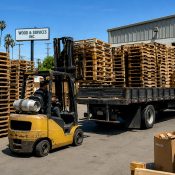
- Lifting and Placing: Use forklifts and pallet jacks properly by lifting pallets straight up and lowering them gently. Dragging or pushing pallets can lead to splintering and loosening of boards.
- Avoiding Overloading: Ensure that pallets are not overloaded beyond their intended weight capacity, as this can cause breakage and structural weakening. Clearly label weight limits on pallets to remind workers.
- Preventing Impact Damage: When transporting pallets, avoid collisions with walls, shelves, or other pallets. Even minor impacts can cause cumulative damage over time.
Proper handling techniques are an essential aspect of pallet management and can greatly extend their usability.
- Implement a Pallet Repair and Maintenance Program
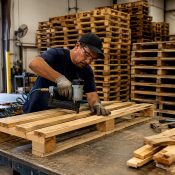
Many types of damage, such as cracked boards or missing nails, can be easily repaired, extending the pallet’s life significantly. For Canoga Park businesses, setting up a pallet repair program is a cost-effective way to maximize pallet use without having to purchase new ones constantly.
- Replace Broken Boards: When a board breaks, it doesn’t necessarily mean the entire pallet needs to be discarded. Boards can be replaced or reinforced to restore the pallet’s functionality.
- Tighten Loose Nails: Loose nails can lead to wobbly pallets and structural issues. Regularly inspect and tighten nails to keep pallets sturdy and secure.
- Consider Third-Party Repair Services: If your business handles a high volume of pallets, consider working with a repair service that can inspect, repair, and even refurbish pallets for extended use.
Implementing a repair and maintenance program will help Canoga Park businesses keep pallets in working condition for longer, reducing overall spending on replacements.
- Store Pallets Properly
Proper storage techniques play a critical role in extending pallet life. Exposure to the elements, like moisture or extreme temperatures, can weaken wood and lead to mold, mildew, or rot. Keeping pallets in a controlled storage environment will help maintain their durability and reduce degradation.
- Keep Pallets Off the Ground: Store pallets on racks or dunnage to keep them off the floor, where they are more susceptible to moisture.
- Ventilate Storage Areas: Proper ventilation helps prevent the buildup of moisture and reduces the risk of mold growth.
- Avoid Exposure to Sunlight: Extended exposure to sunlight can dry out wood, causing it to become brittle and more prone to splintering. Whenever possible, keep pallets in shaded areas.
By setting up a proper storage system, Canoga Park businesses can protect their pallets from environmental wear, helping them last longer and stay in good condition.
- Rotate Your Pallet Inventory
Just like rotating stock in a warehouse, rotating your pallet inventory can help distribute wear evenly across all pallets. Constantly using the same pallets while others remain in storage can lead to uneven wear and a higher replacement rate for heavily used pallets.
- Use a FIFO System: Implement a “first-in, first-out” system where older pallets are used first, allowing for even usage across all pallets in inventory.
- Regularly Inspect Unused Pallets: Even pallets in storage should be inspected for signs of damage or wear before they’re put into use.
Rotating pallets evenly prevents certain pallets from bearing the brunt of the workload, ensuring that all pallets get an equal amount of use.
- Invest in Pallet Painting and Stenciling
For Canoga Park businesses that want to extend the life of pallets while also reinforcing their brand, pallet painting and stenciling are valuable options. Not only do these services protect the wood from external factors, but they also provide an organized, professional appearance.
- Pallet Painting: Painting pallets with quality, weather-resistant paint can add a protective layer that guards against moisture, pests, and decay. This added layer can help reduce the effects of exposure to harsh conditions.
- Stenciling for Identification: Stenciling adds custom labels or company branding to pallets, allowing for easy identification, organization, and even better handling instructions. This reduces confusion, especially when multiple pallets are in use at once.
Painted and stenciled pallets look polished and professional while being better protected from the elements and accidental damage.
- Recycle or Repurpose Old Pallets
Even with the best practices, pallets will eventually reach the end of their useful life. For Canoga Park businesses, recycling or repurposing pallets can minimize waste and support environmental initiatives. Pallet recycling services break down pallets into reusable wood, which can be used for other purposes, such as mulch, fuel, or new pallets.
- Recycling Services: Many companies offer pallet recycling, where old or damaged pallets are broken down into reusable materials.
- Creative Repurposing: If recycling isn’t an option, consider repurposing pallets for other uses, such as making storage racks, display shelves, or even furniture.
Repurposing and recycling pallets not only helps reduce costs but also promotes sustainable practices that resonate with today’s eco-conscious consumers.
For Canoga Park businesses, extending the life of pallets is a valuable approach to reducing costs, supporting sustainability goals, and ensuring smooth operations. By investing in quality materials, practicing proper handling, implementing repair programs, and considering creative solutions for pallet disposal, businesses can maximize the lifespan and efficiency of their pallets.
Pallets are a critical asset in many industries, and managing them effectively can make a significant difference in a company’s operational efficiency and bottom line. With a few adjustments to handling, storage, and maintenance routines, Canoga Park businesses can get more out of their pallets and keep their operations running smoothly for years to come.
FAQs About Extending the Life of Pallets for Canoga Park Businesses
- What are the best materials for durable pallets?
- Hardwood pallets or heat-treated wood offer durability and longevity, especially for heavy-duty use.
- How often should pallets be inspected for damage?
- Regularly inspect pallets before each use and at least once a month if they are in storage.
- Can damaged pallets be repaired easily?
- Yes, many types of minor damage, like broken boards or loose nails, can be repaired to extend pallet life.
- What storage methods help pallets last longer?
- Store pallets off the ground, in ventilated areas, and away from direct sunlight to reduce exposure to damaging elements.
- Is recycling old pallets a good option?
Absolutely! Recycling is eco-friendly and can help Canoga Park businesses reduce waste while promoting sustainable practices.
Recent Posts
Complete Pallet Services in Canoga Park
How Pallet Recycling Saves Businesses Money Every Year in Southern California