Woodland Hills Warehouses: Signs Your Pallets Need Repair Before the Busy Season
If you run a warehouse or manage shipping operations in Woodland Hills, you already know how important it is to stay ahead of the busy season. Whether it’s the holidays, a seasonal surge, or a spike in demand, everything ramps up — more orders, more movement, more pressure.
One thing that often gets overlooked before peak season hits? Your pallets.
Pallets are the base of your entire shipping process. If they’re weak, cracked, or broken, they can cost you time, money, and even put your workers at risk. The good news is, you can catch the problems early and avoid bigger headaches later.
Let’s look at the key signs your pallets need repair — and why fixing them now is a smart move for safety and savings.
- Cracked or Splintering Boards
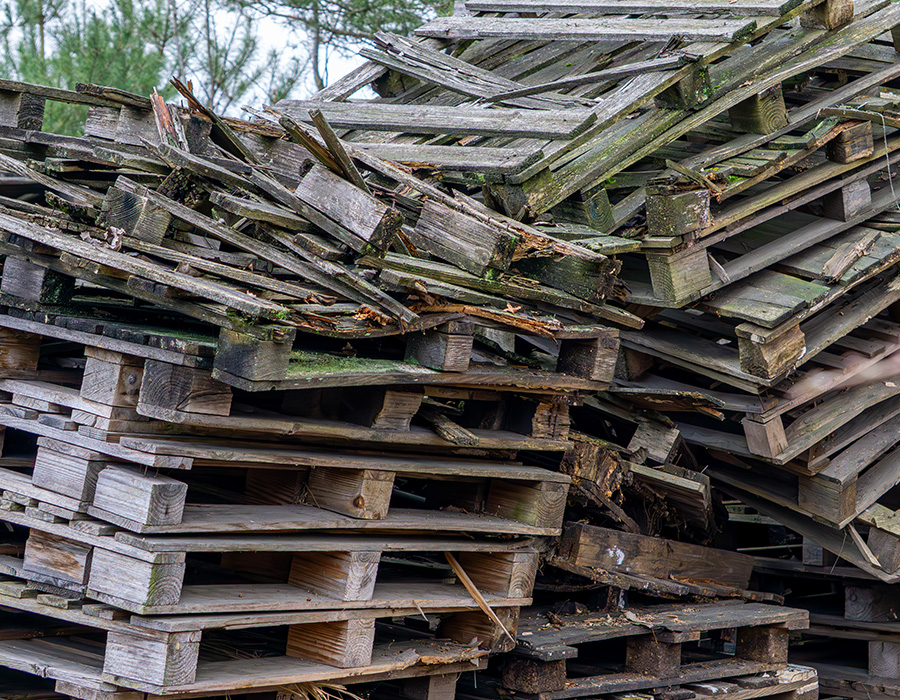
Over time, wooden pallets wear down. It’s common to see boards that start to split, crack, or splinter after regular use. This might seem minor at first, but those cracks can grow quickly under pressure.
If you load a heavy item on a cracked board, it could break during transport or while being lifted. This can damage your products and even cause injuries.
What to look for:
- Boards with long cracks
- Pieces of wood starting to chip off
- Splinters around nail holes
If you see this often, it’s time to repair or replace those pallets before they cause problems.
- Loose or Missing Nails
Nails help hold the pallet together. When they come loose or fall out, the pallet loses its strength. This can make the pallet wobbly or unstable, which increases the risk of collapse.
In fast-paced warehouse environments like those in Woodland Hills, a wobbly pallet can quickly become a serious safety issue.
Check for:
- Nails sticking out
- Nail holes that look too wide
- Boards that shift or feel unstable when pressure is applied
Replacing or re-nailing loose boards can restore the pallet’s strength and prevent accidents during heavy use.
- Warped or Bent Deck Boards
Moisture, heavy loads, and uneven storage can cause pallet boards to warp over time. Warped pallets are harder to stack and don’t sit flat on shelving or forklifts.
This can slow down your warehouse team and increase the chances of product shifting during transport.
Watch out for:
- Boards that are curved upward or downward
- Pallets that don’t sit flat
- Trouble stacking pallets evenly
These should be fixed or swapped out before your busy season starts.
- Damaged Stringers or Blocks
The stringers (or blocks, if you use block pallets) are the main supports underneath the pallet. When these are damaged, the whole structure becomes weak.
A broken stringer can cause a pallet to collapse under load, leading to damaged goods or injuries to your staff.
Inspect for:
- Cracks in the stringers
- Signs of crushing or heavy impact
- Visible gaps or splits in the center support
Fixing or reinforcing stringers is essential for keeping your pallets safe and usable during high-volume periods.
- Mold or Rotting Wood
Humidity, spills, and outdoor storage can lead to mold or rot, especially in older wooden pallets. Mold isn’t just a health risk — it also weakens the wood and shortens the life of the pallet.
If your pallets have been stored outside in Woodland Hills or exposed to moisture, inspect them closely.
Look for:
- Soft or crumbling wood
- Discoloration (black, green, or white spots)
- Musty odors
Rotting pallets should be recycled or properly disposed of. They’re not safe to use and can contaminate your products.
Why It Matters Before the Busy Season
Safety First
Peak season often means more people working in the warehouse, more forklifts on the move, and tighter schedules. The last thing you need is an injury or accident caused by a faulty pallet. Taking time to inspect and repair your pallets now can prevent workplace injuries and keep your team safe.
Saving Money
Some companies throw away broken pallets and buy new ones, but repairing them can be much more cost-effective. A basic repair can extend the life of a pallet by several uses, saving you money over time.
Better Productivity
When your pallets are in good shape, your team can move faster. Stacking is smoother, forklift handling is easier, and you avoid delays caused by damaged loads or unsafe equipment.
Fewer Damaged Products
A weak pallet can collapse under weight or shift during transport, damaging your products and increasing your return rate. Keeping your pallets in good condition protects your inventory and helps you meet customer expectations.
How to Stay Ahead
You don’t need to wait for problems to happen. Here’s how to stay on top of pallet maintenance:
- Schedule regular pallet inspections.
- Train your staff to report damaged pallets.
- Partner with a local repair service (like US Wood & Services Inc.) for quick turnaround.
- Use color-coded tags to mark pallets that need fixing or are unsafe to use.
Getting organized now means fewer surprises when things get busy.
Final Thoughts
If you operate in Woodland Hills or nearby and you’re gearing up for a busy season, now is the time to check your pallet supply. Ignoring small problems now can lead to bigger issues later — damaged goods, worker injuries, and wasted time.
Taking the time to inspect and repair your pallets will help your warehouse run more safely and smoothly when demand picks up.
FAQ – Pallet Repair for Woodland Hills Businesses
Q: How often should I inspect my pallets?
A: Before any busy season, and at least once every few months. Weekly visual checks by your staff are also a smart habit.
Q: Is it cheaper to repair or replace pallets?
A: In most cases, repairs are much more affordable than buying new ones. Especially if you have a steady volume of reusable pallets.
Q: Can I repair pallets in-house or should I outsource?
A: You can do basic repairs in-house if you have trained staff. For larger batches or major damage, it’s best to hire a pallet repair service.
Q: Are repaired pallets as strong as new ones?
A: If repaired properly, yes. A fixed pallet can handle the same load as a new one, as long as the repair is done right.
Q: Where can I get help with pallet repair in Woodland Hills?
A: Contact US Wood & Services Inc. We provide fast, reliable pallet repair and recycling services across Woodland Hills and nearby areas.
Recent Posts
Complete Pallet Services in Canoga Park
How Pallet Recycling Saves Businesses Money Every Year in Southern California