What Pallet Size Do You Need? A Complete Guide for California Businesses
Selecting the right pallet may seem like a simple decision, but choosing the correct pallet size can significantly impact shipping efficiency, warehouse storage, transportation costs, and product safety. Whether you operate a manufacturing facility, distribution center, retail warehouse, agricultural operation, or logistics company in California, understanding different pallet sizes can help optimize your supply chain and reduce unnecessary expenses.
While many businesses automatically order standard pallets, not every product or industry is best served by a one-size-fits-all solution. The dimensions of your pallet affect everything from forklift handling and warehouse racking compatibility to truckload efficiency and product protection during transit.
In this guide, we’ll explain the most common pallet sizes, discuss standard 48×40 GMA pallets, review load capacities, and help California businesses determine when custom pallet dimensions may be the better choice.
Why Pallet Sizes Matter
The size of a pallet influences how products are stored, transported, and handled throughout the supply chain. Choosing the wrong pallet can create several challenges, including:
- Wasted warehouse space
- Higher shipping costs
- Product damage during transit
- Poor load stability
- Reduced forklift efficiency
- Incompatibility with storage racks
By selecting the appropriate pallet sizes for your operation, businesses can improve logistics efficiency while reducing overall transportation and storage costs.
For California businesses facing increasing transportation expenses and warehouse costs, proper pallet selection can have a measurable impact on profitability.
The Most Common Standard Pallet Size: 48×40 GMA Pallets
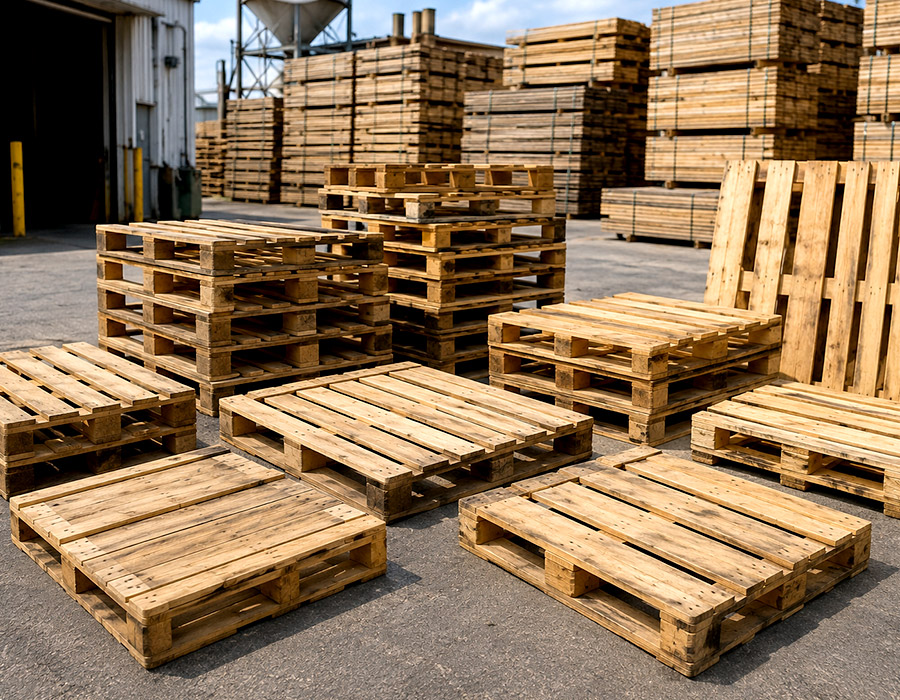
The most widely used pallet in North America is the 48×40 GMA pallet.
The Grocery Manufacturers Association (GMA) established this pallet specification decades ago, and it remains the industry standard for many businesses today.
Standard 48×40 GMA Pallet Specifications
- Dimensions: 48 inches x 40 inches
- Four-way forklift entry
- Compatible with most warehouse racking systems
- Fits standard trailers efficiently
- Commonly constructed from hardwood or softwood
- Available in new, recycled, and remanufactured options
Because of its widespread acceptance, the 48×40 GMA pallet is often the default choice for:
- Retail distribution centers
- Food manufacturers
- Consumer goods companies
- General warehousing operations
- Third-party logistics providers
Many California distribution facilities are specifically designed around 48×40 GMA pallets, making them the most practical option for businesses that ship products through national supply chains.
Understanding Pallet Load Capacities
When evaluating pallet sizes, dimensions are only part of the equation. Load capacity is equally important.
A pallet must support the weight of the products being stored or transported without failure.
Typical Load Capacity Guidelines
Static Load Capacity
The weight a pallet can support while sitting stationary on the ground.
Typical range:
- 4,000 to 8,000 pounds
Dynamic Load Capacity
The weight a pallet can support while being moved by a forklift or pallet jack.
Typical range:
- 2,000 to 4,500 pounds
Rack Load Capacity
The weight a pallet can safely support while suspended in warehouse racking.
Typical range:
- 1,500 to 3,000 pounds
Actual capacities vary based on:
- Lumber species
- Deck board thickness
- Stringer design
- Construction quality
- Load distribution
Businesses should always verify load requirements with their pallet supplier before selecting a pallet design.
Common Pallet Sizes Used in Different Industries
Although the 48×40 pallet dominates many industries, numerous other pallet sizes are commonly used depending on product type and shipping requirements.
42×42 Pallets
Frequently used by:
- Beverage manufacturers
- Chemical companies
- Packaging facilities
Benefits include:
- Excellent load stability
- Efficient cube utilization
- Suitable for drums and containers
48×48 Pallets
Popular among:
- Agricultural producers
- Bulk material suppliers
- Food processing facilities
Advantages include:
- Larger surface area
- Increased load support
- Better for oversized containers
48×45 Pallets
Often found in:
- Automotive manufacturing
- Industrial supply chains
These pallets provide additional support for heavier products while remaining compatible with many transportation systems.
36×36 Pallets
Commonly used for:
- Retail displays
- Specialty products
- Lightweight inventory
Their smaller footprint allows for efficient storage of compact products.
Industry-Specific Pallet Recommendations
Choosing among available pallet sizes should be based on your specific industry requirements.
Manufacturing Facilities
Recommended pallet sizes:
- 48×40 GMA pallets
- Custom industrial pallets
Manufacturers often ship heavy parts, equipment components, or bulk materials. Durable hardwood pallets with higher load capacities are typically recommended.
Warehousing and Distribution Centers
Recommended pallet sizes:
- 48×40 GMA pallets
These facilities rely on standardized systems, making standard pallets the most efficient option for storage racks, conveyors, and shipping operations.
Food and Beverage Companies
Recommended pallet sizes:
- 48×40 pallets
- 42×42 pallets
- Heat-treated pallets when required
Food manufacturers benefit from pallet consistency and compliance with transportation regulations.
Agriculture and Produce Operations
Recommended pallet sizes:
- 48×48 pallets
- Custom produce pallets
Agricultural businesses often transport large bins, containers, and bulk products requiring larger pallet footprints.
Aerospace and Defense Contractors
Recommended pallet sizes:
- Custom-built pallets
- Engineered shipping platforms
California’s aerospace industry frequently ships high-value equipment requiring specialized support structures and precise dimensions.
Medical Equipment and Electronics
Recommended pallet sizes:
- Custom pallets
- Precision-engineered crates and pallets
Sensitive equipment often requires unique dimensions, cushioning systems, and reinforced construction.
When Custom Pallet Sizes Make Sense
While standard pallets work well for many applications, there are situations where custom dimensions offer significant advantages.
Your Products Are Oversized
Large machinery, equipment, fabricated metal parts, and industrial assemblies often exceed standard pallet dimensions.
Custom pallets provide:
- Improved support
- Better load distribution
- Enhanced safety during transportation
You Want to Reduce Shipping Costs
Sometimes a custom pallet can maximize trailer space utilization and reduce wasted space.
This can result in:
- Fewer shipments
- Lower freight costs
- Better inventory management
You Have Unique Storage Requirements
Some warehouses utilize specialized racking systems that perform best with customized pallet dimensions.
Tailored pallet sizes can improve:
- Storage density
- Forklift access
- Warehouse efficiency
Your Products Require Additional Protection
Custom pallets can include:
- Extra deck boards
- Reinforced stringers
- Blocking systems
- Specialized lumber configurations
These features help protect valuable products during handling and transportation.
Factors California Businesses Should Consider
California companies face unique logistical challenges that influence pallet selection.
Transportation Costs
Freight rates continue to rise throughout California. Optimizing pallet dimensions can help maximize truckload utilization and reduce transportation expenses.
Warehouse Space
Industrial real estate costs remain high throughout Los Angeles County, the San Fernando Valley, and Southern California. Selecting efficient pallet sizes helps businesses maximize valuable storage space.
Sustainability Goals
Many California companies prioritize environmentally responsible practices.
Using recycled pallets, repaired pallets, or properly sized pallets can help:
- Reduce lumber waste
- Lower environmental impact
- Support sustainability initiatives
Supply Chain Efficiency
Standardized pallet programs improve consistency throughout supply chains and reduce operational disruptions.
Businesses shipping nationwide often benefit from using standard pallet dimensions whenever possible.
Working With a Local Pallet Supplier
Choosing the correct pallet often requires expert guidance.
A knowledgeable local pallet manufacturer can help evaluate:
- Product dimensions
- Load requirements
- Transportation methods
- Warehouse configurations
- Industry regulations
Experienced suppliers can recommend the most effective pallet sizes while ensuring compliance with operational and shipping requirements.
For businesses throughout Canoga Park, Los Angeles, and the San Fernando Valley, working with a local supplier provides faster turnaround times, custom manufacturing capabilities, and responsive support when urgent pallet needs arise.
US Wood Services in Canoga Park
Selecting the right pallet is an important decision that affects every stage of your supply chain. While the standard 48×40 GMA pallet remains the most common choice for many businesses, different industries often benefit from alternative or custom pallet sizes designed specifically for their products and operational requirements.
By considering load capacities, transportation needs, warehouse layouts, and industry-specific demands, California businesses can improve efficiency, reduce costs, and protect products throughout the shipping process.
Whether you need standard 48×40 pallets, specialized industrial pallets, or fully customized pallet solutions, US Wood Services understands your needs and will provide options toward creating a more efficient and cost-effective logistics operation.
Recent Posts
Complete Pallet Services in Canoga Park

How Pallet Recycling Saves Businesses Money Every Year in Southern California