Pallet Recycling in Los Angeles: How Businesses Can Save Money and Reduce Waste
Across Los Angeles County, businesses are under increasing pressure to reduce operating costs, improve sustainability practices, and minimize waste. From warehouses and manufacturers to retailers and logistics providers, companies generate large volumes of used pallets every year. Unfortunately, many of these pallets end up in landfills despite still having value and potential for reuse.
This is where pallet recycling Los Angeles services play a critical role. Recycling wood pallets not only helps businesses reduce disposal costs but also supports environmental sustainability, conserves natural resources, and can even create additional revenue opportunities through pallet buyback programs.
As California continues to implement aggressive environmental initiatives and waste reduction goals, pallet recycling has become an increasingly important component of responsible business operations. In this guide, we’ll explore how pallet recycling works, the benefits it offers, available buyback opportunities, and why more Southern California businesses are embracing sustainable pallet management practices.
Why Pallet Recycling Matters
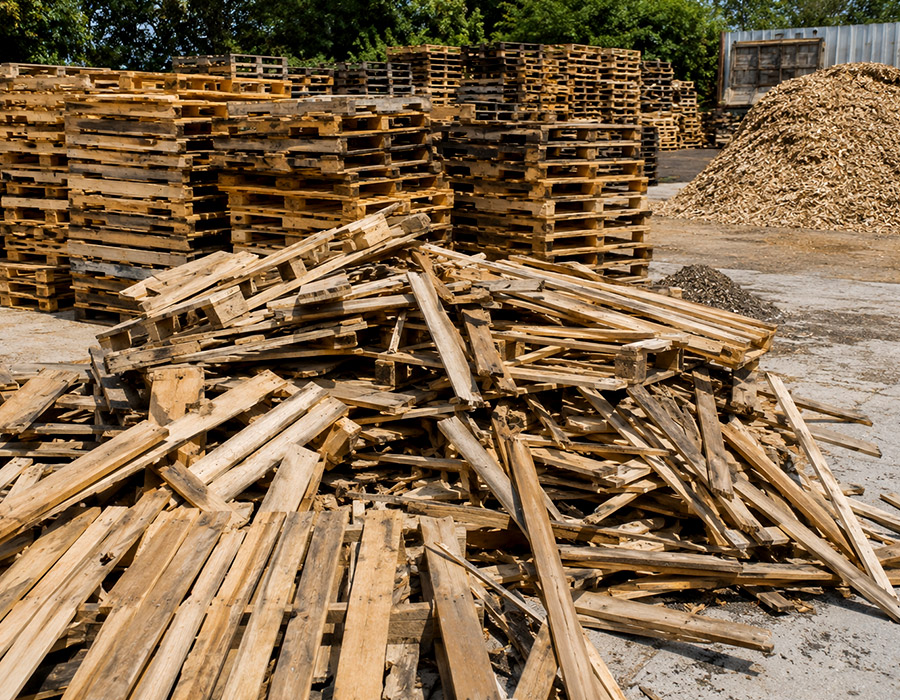
Wood pallets are essential to the supply chain. Nearly every industry relies on pallets to transport products safely and efficiently. However, pallets have a limited lifespan. Over time they may become damaged through repeated handling, exposure to weather, heavy loads, or transportation wear and tear.
Many businesses mistakenly view used pallets as waste. In reality, most pallets can be repaired, reused, remanufactured, or recycled into new products.
The growing demand for pallet recycling Los Angeles services reflects a broader movement toward sustainability and waste reduction throughout California.
Rather than paying for disposal services and contributing to landfill waste, businesses can often recover value from unwanted pallets while reducing their environmental footprint.
Environmental Benefits of Pallet Recycling
One of the primary reasons companies invest in pallet recycling is its positive environmental impact.
Reduces Landfill Waste
California landfills receive millions of tons of construction debris, packaging materials, and wood waste each year. When pallets are recycled instead of discarded, fewer materials end up occupying valuable landfill space.
A single warehouse can generate hundreds or even thousands of damaged pallets annually. Recycling these pallets significantly reduces waste disposal volumes and supports California’s long-term landfill reduction goals.
Conserves Natural Resources
Wood pallets require lumber harvested from forests and processed into usable materials. Recycling and repairing pallets extends the useful life of existing lumber, reducing the demand for newly harvested wood.
Through pallet recycling Los Angeles programs, businesses help conserve:
- Forest resources
- Energy used in lumber production
- Water required during manufacturing
- Transportation-related resources
Extending pallet life contributes to a more sustainable supply chain and supports responsible resource management.
Reduces Carbon Emissions
Manufacturing new pallets requires harvesting trees, milling lumber, transporting materials, and assembling finished products. Recycling existing pallets minimizes the need for these activities, reducing greenhouse gas emissions associated with manufacturing and transportation.
Many organizations now track sustainability metrics as part of their Environmental, Social, and Governance (ESG) initiatives. Pallet recycling can contribute positively to these environmental performance goals.
How the Pallet Recycling Process Works
Many business owners are surprised to learn how much value can be recovered from damaged pallets.
Professional pallet recycling Los Angeles providers typically follow a structured process designed to maximize reuse and minimize waste.
Step 1: Collection and Inspection
Used pallets are collected from warehouses, distribution centers, manufacturing facilities, retailers, and industrial sites.
Each pallet is inspected to determine:
- Structural integrity
- Repair requirements
- Lumber condition
- Reusability potential
This evaluation helps determine whether the pallet can be repaired, reused, dismantled, or recycled.
Step 2: Sorting
Pallets are sorted based on:
- Size
- Condition
- Material type
- Repair requirements
Common pallet sizes such as 48×40 GMA pallets are often prioritized because they have high market demand and are easier to repair and resell.
Step 3: Repair and Remanufacturing
Many damaged pallets require only minor repairs.
Typical repairs include:
- Replacing broken deck boards
- Reinforcing stringers
- Securing loose fasteners
- Rebuilding damaged sections
Once repaired, these pallets can be returned to service and sold as recycled or remanufactured pallets.
Step 4: Material Recovery
Pallets that cannot be repaired are dismantled to recover usable lumber.
Recovered boards may be used for:
- Pallet repairs
- Remanufactured pallets
- Wood packaging products
- Industrial applications
This process ensures maximum resource utilization and minimizes waste.
Step 5: Wood Recycling
Wood that cannot be reused is often processed into secondary products such as:
- Landscape mulch
- Animal bedding
- Biomass fuel
- Compost materials
- Wood fiber products
Very little material ultimately goes to waste when managed through a professional recycling program.
How Businesses Save Money Through Pallet Recycling
One of the biggest advantages of pallet recycling Los Angeles programs is the potential for significant cost savings.
Reduced Disposal Costs
Dumpster rentals and waste hauling services continue to become more expensive throughout California.
Recycling pallets reduces:
- Dumpster usage
- Hauling expenses
- Landfill fees
- Waste management costs
For facilities generating large pallet volumes, these savings can quickly add up.
Lower Pallet Purchasing Costs
Many businesses purchase recycled pallets as a lower-cost alternative to new pallets.
Benefits include:
- Reduced purchasing expenses
- Reliable performance
- Availability of standard sizes
- Sustainable sourcing practices
Recycled pallets often provide excellent value while maintaining the durability needed for most shipping applications.
Improved Warehouse Efficiency
Accumulated pallets can create clutter, reduce storage capacity, and interfere with daily operations.
Routine pallet recycling programs help maintain cleaner, more organized facilities by removing excess inventory before it becomes a problem.
Understanding Pallet Buyback Programs
Many companies are unaware that damaged or excess pallets may still have value.
Pallet buyback programs allow businesses to sell qualifying pallets back to recycling companies or pallet manufacturers.
How Buyback Programs Work
A recycling provider evaluates pallets based on:
- Size
- Condition
- Quantity
- Market demand
Businesses receive compensation for pallets that meet buyback requirements.
Commonly accepted pallets include:
- 48×40 GMA pallets
- Standard warehouse pallets
- Reusable custom pallets
- Repairable wood pallets
Benefits of Pallet Buyback Programs
Businesses participating in pallet buyback programs can:
- Generate additional revenue
- Reduce disposal expenses
- Improve sustainability metrics
- Free up warehouse space
- Simplify pallet management
For facilities handling large pallet volumes, buyback programs can become an important component of operational efficiency.
California Sustainability Initiatives and Waste Reduction Goals
California has established some of the most ambitious environmental regulations and sustainability targets in the United States.
These initiatives encourage businesses to reduce waste and increase material recovery whenever possible.
Circular Economy Goals
California promotes a circular economy model focused on:
- Reuse
- Repair
- Recycling
- Resource recovery
Pallet recycling fits naturally within this framework by extending product lifecycles and minimizing landfill disposal.
Waste Diversion Programs
Many local governments throughout Los Angeles County encourage businesses to divert recyclable materials away from landfills.
Wood pallets represent one of the easiest and most effective materials to recycle within industrial operations.
Corporate Sustainability Reporting
Many companies now publicly report sustainability metrics to customers, investors, and stakeholders.
Participation in pallet recycling Los Angeles programs demonstrates a commitment to environmental responsibility and can support broader sustainability objectives.
Choosing a Pallet Recycling Partner in Los Angeles
Not all recycling providers offer the same level of service.
When evaluating pallet recycling companies, businesses should consider:
- Collection capabilities
- Buyback opportunities
- Repair services
- Processing capacity
- Sustainability practices
- Local service area coverage
- Response times
Working with an experienced local provider ensures pallets are managed efficiently while maximizing recovery value.
For businesses throughout Los Angeles, Canoga Park, the San Fernando Valley, and surrounding Southern California communities, partnering with a local pallet recycler often results in faster pickups, improved customer service, and more flexible solutions.
US Wood Service Pallet Distributor
As California businesses continue seeking ways to reduce costs and improve sustainability, pallet recycling programs in Los Angeles provided by US Wood Services offer a practical solution with measurable benefits. Recycling pallets helps reduce landfill waste, conserve natural resources, lower carbon emissions, and support California’s environmental goals.
Beyond the environmental advantages, businesses can also save money through reduced disposal costs, lower pallet purchasing expenses, and participation in pallet buyback programs that turn unused inventory into valuable assets.
Whether you operate a warehouse, manufacturing facility, distribution center, retail operation, or logistics company, implementing a pallet recycling strategy can improve efficiency, strengthen sustainability efforts, and contribute to a cleaner, more resource-conscious future for Los Angeles and the entire state of California.
Recent Posts
Complete Pallet Services in Canoga Park

How Pallet Recycling Saves Businesses Money Every Year in Southern California