

The Hidden Costs of Poor Pallet Quality: How to Avoid Expensive Shipping Mistakes
Pallets are the backbone of shipping and logistics, providing a stable base for transporting goods efficiently and safely. However, not all pallets are created equal. While it may be tempting to cut costs by choosing lower-quality pallets, this decision can lead to significant financial losses due to product damage, shipping delays, and operational inefficiencies.
Poor pallet quality often results in breakage, product losses, safety hazards, and costly supply chain disruptions. Businesses that rely on palletized shipping must understand the hidden costs of low-quality pallets and take proactive steps to avoid expensive mistakes.
In this blog, we will explore the true costs of poor pallet quality, common issues businesses face, and strategies for mitigating risks to ensure smooth and cost-effective shipping operations.
- The True Cost of Low-Quality Pallets
At first glance, buying cheaper pallets may seem like a cost-saving measure. However, businesses often overlook the long-term financial impact of using substandard pallets. While high-quality pallets may have a higher upfront cost, they provide durability and reliability, ultimately reducing expenses over time.
The hidden costs of poor pallet quality include:
- Increased Product Damage – Weak pallets are more likely to break under pressure, leading to damaged goods and financial losses.
- Supply Chain Disruptions – Broken pallets can cause shipping delays and inefficiencies, leading to unhappy customers and potential contract breaches.
- Higher Replacement Costs – Cheap pallets deteriorate quickly, requiring frequent replacements that add up over time.
- Safety Hazards – Splintered wood, broken boards, and weak structural integrity increase the risk of workplace injuries, leading to compensation claims and lost productivity.
By understanding these hidden costs, businesses can make informed decisions that prioritize quality over short-term savings.
- Common Issues Caused by Low-Quality Pallets
- Product Damage and Financial Losses
One of the most costly consequences of using low-quality pallets is product damage during transit. Pallets that lack structural integrity can collapse under the weight of goods, causing items to shift, break, or become contaminated.
Real-world impact:
- A weak pallet can crack during transport, resulting in crushed or shattered products that are unsellable.
- Contaminated or poorly treated wood can introduce pests or bacteria, leading to rejected shipments and financial loss.
How to avoid this issue:
- Invest in high-quality hardwood or heat-treated softwood pallets that provide stability.
- Regularly inspect pallets before loading to identify signs of damage or weakness.
- Use protective materials like shrink wrap or corner protectors to prevent goods from shifting.
- Increased Freight and Handling Costs
Low-quality pallets are more prone to damage, which can lead to shipping delays and additional handling fees. A damaged pallet may require repackaging, reloading, or even an entirely new shipment, increasing operational costs.
Real-world impact:
- If a pallet collapses during transit, carriers may refuse to continue the shipment, leading to expensive rescheduling fees.
- Damaged pallets can cause warehouse inefficiencies, as workers must manually transfer products to a new pallet before they can be shipped.
How to avoid this issue:
- Choose pallets that are properly rated for the weight of your products.
- Work with a trusted pallet supplier that guarantees strength and durability.
- Train employees on proper stacking and handling techniques to reduce stress on pallets.
- Workplace Safety Risks and Liability Issues
Poor-quality pallets pose a serious safety risk to workers in warehouses, loading docks, and retail environments. Broken boards, exposed nails, or unstable pallets can cause injuries such as splinters, cuts, and even heavy product falls.
Real-world impact:
- A pallet with loose nails or broken boards can collapse while being moved by a forklift, causing injury to workers.
- Employees handling weak pallets are more likely to experience strains or accidents, leading to lost workdays and medical expenses.
How to avoid this issue:
- Implement routine pallet inspections to identify hazards before they cause injuries.
- Ensure that pallets meet safety standards and have no protruding nails, splinters, or cracks.
- Train workers on safe pallet handling techniques to minimize risks.
- Shipment Rejections and Customer Complaints
Using low-quality pallets increases the likelihood of shipments being rejected by retailers, warehouses, or international customers. Many companies have strict pallet requirements, and failing to meet them can result in returns, fines, or damaged business relationships.
Real-world impact:
- Retailers often require heat-treated or ISPM 15-compliant pallets for international shipments. Using untreated pallets can lead to customs delays or outright rejections.
- If a retailer receives a shipment on a broken or unstable pallet, they may refuse the delivery or charge penalty fees.
How to avoid this issue:
- Verify pallet compliance with the shipping regulations of your customers or international destinations.
- Use heat-treated pallets to meet ISPM 15 requirements for export shipments.
- Choose reputable pallet suppliers that provide quality assurance and certification.
- How to Mitigate Risks and Avoid Expensive Shipping Mistakes
Now that we have covered the hidden costs and common issues of poor pallet quality, let’s explore proactive strategies businesses can implement to avoid these costly mistakes.
- Invest in High-Quality, Durable Pallets
Although high-quality pallets come with a higher initial cost, they offer better durability and longevity, saving money in the long run.
What to look for in a high-quality pallet:
- Hardwood or Heat-Treated Softwood – More resistant to breakage and environmental factors.
- Proper Weight Ratings – Ensure the pallet can handle the load it is meant to carry.
- Well-Constructed Stringers and Boards – Prevents pallets from splitting or collapsing.
- Implement Routine Pallet Inspections
A simple yet effective way to prevent pallet-related shipping mistakes is to inspect pallets before use. Regular checks can identify structural weaknesses before they lead to costly damage.
Pallet inspection checklist:
- Look for cracks, loose nails, or missing boards.
- Ensure pallets are clean, dry, and free from mold or contaminants.
- Verify that the pallet is structurally sound before placing a heavy load on it.
- Use Proper Pallet Handling and Storage Practices
Even high-quality pallets can fail if they are handled or stored improperly. Proper techniques can significantly extend pallet lifespan and reduce the risk of damage.
Best practices for pallet handling and storage:
- Store pallets in a dry, covered area to prevent moisture damage.
- Avoid stacking pallets too high, as excess weight can weaken lower pallets.
- Train workers on safe handling procedures to reduce unnecessary wear and tear.
- Work with a Reputable Pallet Supplier
Choosing the right pallet supplier ensures you receive high-quality, durable pallets that meet industry standards.
What to look for in a pallet supplier:
- Offers ISPM 15-certified pallets for international shipping.
- Provides consistent quality control and material sourcing.
- Offers repair and recycling programs to reduce costs.
By partnering with a reliable supplier, businesses can avoid unexpected pallet failures and maintain smooth operations.
While low-quality pallets might seem like a cost-effective option at first, the hidden costs quickly add up. From product damage and shipping delays to workplace injuries and rejected shipments, poor pallet quality can lead to expensive mistakes that disrupt business operations.
By investing in high-quality pallets, implementing routine inspections, training employees on proper handling, and working with a trusted pallet supplier, businesses can mitigate risks and ensure a smooth and cost-efficient supply chain.
Cutting corners on pallet quality is not worth the long-term financial burden. Taking the right precautions now will save money, improve efficiency, and enhance overall business reliability.
FAQs About Poor Pallet Quality and Shipping Mistakes
- How do I know if my pallets are strong enough for my shipment?
- Check the weight capacity rating and inspect pallets for damage before use.
- What are ISPM 15 pallets, and why are they important?
- ISPM 15 pallets are heat-treated to prevent pest contamination, required for international shipping.
- Can I repair damaged pallets instead of replacing them?
- Yes, minor damage can often be fixed, but severely broken pallets should be recycled.
- What’s the best way to store pallets?
- Keep pallets dry, stacked evenly, and in a well-ventilated area to prevent moisture buildup.
- How can I find a reputable pallet supplier?
Look for suppliers with consistent quality control, heat-treated options, and repair services.
Recent Posts
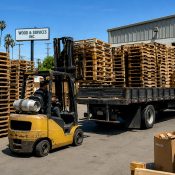
Complete Pallet Services in Canoga Park
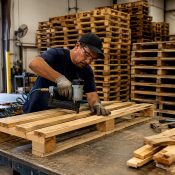
How Pallet Recycling Saves Businesses Money Every Year in Southern California