
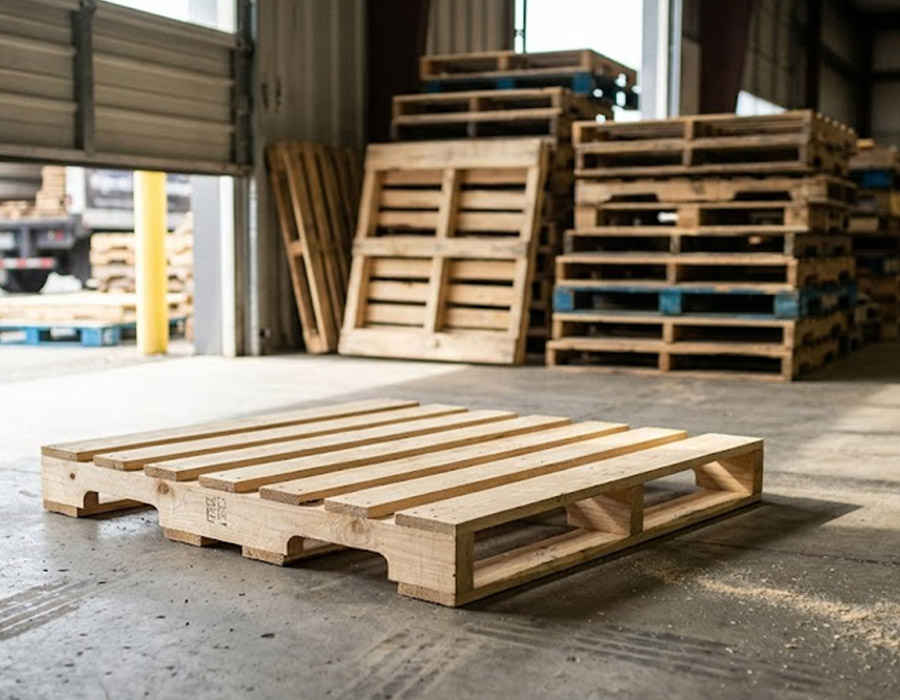
The Future of ISPM 15: What Exporters Need to Know for 2026
In the world of international trade, the “small details” often carry the heaviest consequences. For exporters, few details are as critical as the International Standards for Phytosanitary Measures No. 15, commonly known as ISPM 15. As we move into the 2026 shipping cycle, the landscape of global logistics is shifting under the weight of stricter environmental mandates, technological advancements, and heightened biosecurity concerns.
Understanding the trajectory of ISPM 15 compliance 2026 is no longer just a task for the warehouse manager; it is a strategic necessity for the C-suite. A single non-compliant pallet can lead to rejected shipments, massive fines, and the destruction of perishable goods at a foreign port. To navigate these waters, many businesses are turning to regional experts. Specifically, Wood and Services Inc has established itself as a leading provider of pallet solutions in Southern California, helping exporters bridge the gap between local production and global standards.
Why ISPM 15 is Changing in 2026
The core mission of ISPM 15, preventing the international transport and spread of disease and insects that could negatively affect plants or ecosystems, remains the same. However, the methods we use to achieve that mission are evolving.
Historically, exporters had two main choices: Methyl Bromide (MB) fumigation or Heat Treatment (HT). As we look toward 2026, the industry is seeing a decisive move away from chemical fumigation. International environmental protocols are increasingly restricting the use of Methyl Bromide due to its status as an ozone-depleting substance. Consequently, ISPM 15 compliance 2026 will be defined by the “Heat Treatment Revolution.”
The Heat Treatment Revolution
For exporters in Southern California, Heat Treatment has become the gold standard. The process involves heating the wood until its core reaches a minimum temperature of 56°C (133°F) for at least 30 minutes.
For the 2025-2026 period, we expect to see:
- Stricter Documentation: Digital logs of the kiln-drying and heat-treatment process will likely become a requirement for high-risk ports.
- Dielectric Heating (DH): While still emerging, the use of microwaves or radio frequencies to heat wood is gaining traction as a faster, more energy-efficient alternative to traditional kilns.
- Enhanced Durability: HT wood is often drier than green lumber, which reduces the risk of mold growth during long transoceanic voyages—another major concern for ISPM 15 compliance 2026.
Navigating the “Bark Rule” and Visual Inspection
One of the most common reasons for pallet rejection at international borders isn’t the lack of a stamp, but the presence of residual bark. Under ISPM 15, any piece of wood packaging must be debarked. Small pieces of bark are allowed only if they are less than 3 cm in width (regardless of length) or greater than 3 cm in width with a total surface area of less than 50 square cm.
Customs officials in the EU, Australia, and China have signaled that they will increase visual inspections in 2025. This means that ISPM 15 compliance 2026 requires a higher level of aesthetic and structural quality control. This is where a partnership with a professional provider becomes invaluable. By working with a specialist like Wood and Services Inc, exporters ensure that every pallet is not just stamped, but physically inspected to meet these exacting visual standards.
The Cost of Non-Compliance: A Real-World Warning
When a shipment arrives at a port in 2026 without proper ISPM 15 compliance 2026, the options are all expensive:
- Separation: The cargo must be removed from the non-compliant pallets and moved to compliant ones, all within a bonded warehouse at the exporter’s expense.
- Immediate Export: The entire container is ordered to be shipped back to the country of origin.
- Incineration: The pallets (and sometimes the cargo) are destroyed on-site.
Beyond the immediate financial loss, non-compliance can lead to a “red flag” on your company’s export profile, resulting in mandatory inspections for every future shipment you send to that country.
Sustainability and the Circular Economy
As we head into 2026, sustainability is becoming a regulatory driver. Wood pallets are naturally carbon-neutral and recyclable, making them a preferred choice over plastic for companies looking to reduce their Scope 3 emissions.
However, “recycled” doesn’t mean “unregulated.” If a pallet is repaired or remanufactured for international use, it must be re-treated and re-stamped. The future of ISPM 15 compliance 2026 involves a sophisticated tracking system where the history of a pallet’s treatment is easily verifiable.
Why Southern California Exporters Face Unique Challenges
The Southern California export market is one of the busiest in the world. With the Ports of Los Angeles and Long Beach serving as the primary gateways to Asia, local manufacturers are under immense pressure to maintain high-volume, high-speed shipping schedules.
In this fast-paced environment, “waiting for pallets” is not an option. Wood and Services Inc has established itself as a leading provider of pallet solutions in Southern California by maintaining a massive inventory of HT-certified wood and offering rapid turnaround times. For a business in Santa Fe Springs or Canoga Park, having a local partner who understands the specific “port-readiness” requirements of Asian markets is a massive competitive advantage.
Preparing Your Team for 2026
To ensure your organization remains ahead of the curve, consider the following checklist for ISPM 15 compliance 2026:
- Audit Your Suppliers: Ensure your pallet provider is certified by an accredited agency (like ALSC or NWPCA) and that their stamps are legible and accurate.
- Training: Train warehouse staff to recognize the ISPM 15 mark and to set aside any pallets that show signs of pest infestation or excessive bark.
- Digital Integration: Start requesting digital HT certificates from your suppliers to keep in your digital shipping folders for easy access during customs audits.
- Forecast Your Needs: With global lumber markets remaining volatile, locking in a consistent supply of HT pallets for 2025 is a smart fiscal move.
Looking Toward 2026: The “Smart Pallet”
The final frontier of ISPM 15 will likely involve IoT (Internet of Things). We are already seeing “smart pallets” equipped with RFID tags that store treatment dates, moisture levels, and location data. By 2026, we may see a move toward a “Global Pallet Passport,” where customs officials can scan a pallet and see its entire compliance history instantly.
While this technology is still scaling, the mindset behind it—transparency and data-driven compliance—is already here. Exporters who embrace this transparency today will find the transition to 2026 regulations much smoother.
Conclusion: Strategic Partnerships in a Complex World
The future of international shipping is becoming more regulated, more scrutinized, and more environmentally conscious. ISPM 15 compliance 2026 is the baseline for participating in this global market.
Exporters cannot afford to treat their pallets as an afterthought. From the choice of heat treatment over chemicals to the meticulous removal of bark, every step in the pallet’s journey reflects the quality of the product it carries. By partnering with a leader like Wood and Services Inc, which has established itself as a leading provider of pallet solutions in Southern California, you ensure that your foundation is as strong as the goods you produce.
Don’t let a 50-cent piece of bark stand between you and your global customers. Invest in the future of compliance today.
Recent Posts
Complete Pallet Services in Canoga Park
How Pallet Recycling Saves Businesses Money Every Year in Southern California