
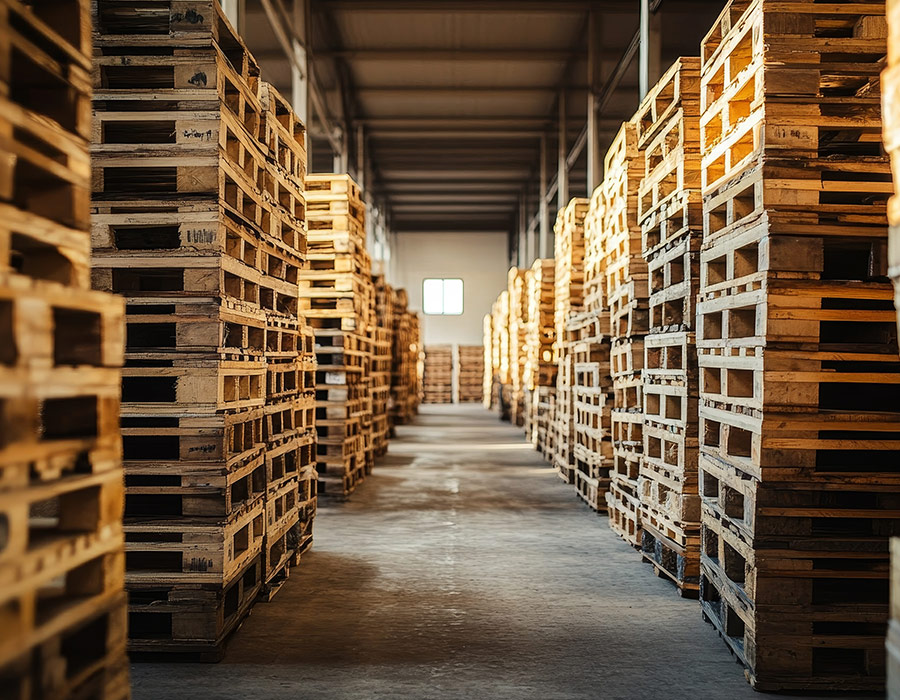
What Happens to Old Wooden Crates? Behind the Scenes of Pallet Recycling
If you’ve worked in shipping, construction, or warehousing, you’ve likely dealt with stacks of old wooden crates and pallets. They’ve served their purpose, protected valuable goods, and made it through transportation. But what happens when they’re no longer usable? Are they just thrown away?
Not quite.
At US Wood & Services Inc, we believe that every wooden crate and pallet still has value even after it’s reached the end of its original use. We run a full-service pallet repair and recycling operation designed to extend the life of wood materials and reduce waste. In this blog, we’ll take you behind the scenes to show you exactly what happens to old crates and pallets and why pallet recycling is a smart move for your business and the environment.
Step 1: Collection and Sorting
The first step in the recycling process is collection. Businesses across Southern California bring in or request pickup for old wooden crates, broken pallets, and damaged skids. Once the materials arrive at our facility, we sort everything by condition.
We check for:
- Cracks or splits in the wood
- Missing nails or broken deck boards
- Mold, rot, or signs of pest damage
- Usable vs. unusable parts
This sorting helps us decide whether a pallet or crate can be repaired, repurposed, or fully recycled.
Step 2: Repairing What Can Be Saved
Many wooden crates and pallets aren’t ready for the landfill just yet. They may look rough, but often a few repairs will bring them back to life.
Here’s what we do:
- Replace damaged boards with fresh wood
- Re-nail and reinforce weak joints
- Remove rusted nails or screws
- Sand down rough edges or splinters
These repaired crates and pallets are then graded for resale or reuse. Some go back into circulation for shipping. Others are used by manufacturers or storage facilities that don’t need perfect-looking crates but still want strong support.
This keeps usable wood in the system longer and helps businesses save on material costs.
Step 3: Dismantling for Parts
If a crate is too damaged for repair, we don’t throw it out. Instead, we dismantle it carefully and save any good wood. These pieces are stored for future repairs or used to build new custom crates and pallets.
We recover:
- Deck boards
- Stringers
- Blocks
- Fasteners (if in good shape)
This part of the process is time-consuming, but it helps us reduce the need for new lumber and cuts down on waste.
Step 4: Recycling the Rest
Once we’ve taken what we can, any leftover wood is sent through our wood recycling system. This usually means grinding the wood into wood chips or mulch. These byproducts are often used for landscaping, animal bedding, composting, or biomass fuel.
So even if a crate is beyond repair, it still serves a purpose. Nothing goes to waste.
Why Recycling Crates and Pallets Matters
Now that you’ve seen what happens behind the scenes, let’s talk about why this matters for businesses like yours.
- Saves Money
Buying new pallets and crates for every shipment can get expensive. Using repaired or recycled units helps cut costs without sacrificing strength or safety.
- Reduces Waste
Tossing wood into a landfill isn’t just bad for the planet. It also wastes a resource that could be reused or repurposed. Recycling helps reduce the environmental impact of your operations.
- Supports Sustainability Goals
More customers and vendors care about sustainability now than ever before. Showing that your business uses recycled materials can help improve your image and open up new opportunities.
- Cuts Down on Disposal Fees
Some areas charge high fees for dumping wood waste. By recycling with a trusted provider, you avoid those extra costs and keep your operation lean.
Common Questions About Crate and Pallet Recycling
We get a lot of questions from businesses trying to figure out what to do with their old wood materials. Here are a few answers:
Q1: How do I know if my crate is repairable or not?
If the frame is still solid and only a few boards are cracked, it’s likely worth repairing. We’ll assess it at our facility and let you know your options.
Q2: Can I get credit or money for recycling my old crates?
In many cases, yes. If the materials are in good shape or can be used for parts, we may offer credit toward new or repaired products.
Q3: What types of crates and pallets can you recycle?
We handle standard pallets, oversized pallets, heavy-duty crates, skids, and custom wooden packaging. If it’s made of wood and used for shipping, we can likely work with it.
Q4: Do you pick up old crates and pallets?
Yes, we offer local pickup services across Southern California for bulk recycling or drop-offs at our facility.
Q5: What should I do with painted or stenciled pallets?
No problem. We can still recycle painted or marked wood. Just let us know ahead of time, and we’ll take care of it during processing.
Tips for Better Recycling Practices
If your business wants to improve how it handles used crates and pallets, here are a few easy tips:
- Keep damaged pallets separate from usable ones
- Stack materials neatly for easy pickup
- Avoid leaving wood outside for long periods where it can rot or attract pests
- Train your team to spot pallets worth saving
- Work with a trusted local recycling provider
Old wooden crates don’t have to go to waste. Whether they’re repaired, repurposed, or turned into mulch, there’s always a use for quality wood. At US Wood & Services Inc, we take pride in giving materials a second life while helping businesses save money and reduce their environmental footprint.
If you’ve got stacks of old crates taking up space, don’t toss them. Let us show you what’s possible with pallet recycling done right.
Contact us today to schedule a crate pickup or learn more about our recycling services.
Recent Posts
Complete Pallet Services in Canoga Park
How Pallet Recycling Saves Businesses Money Every Year in Southern California